

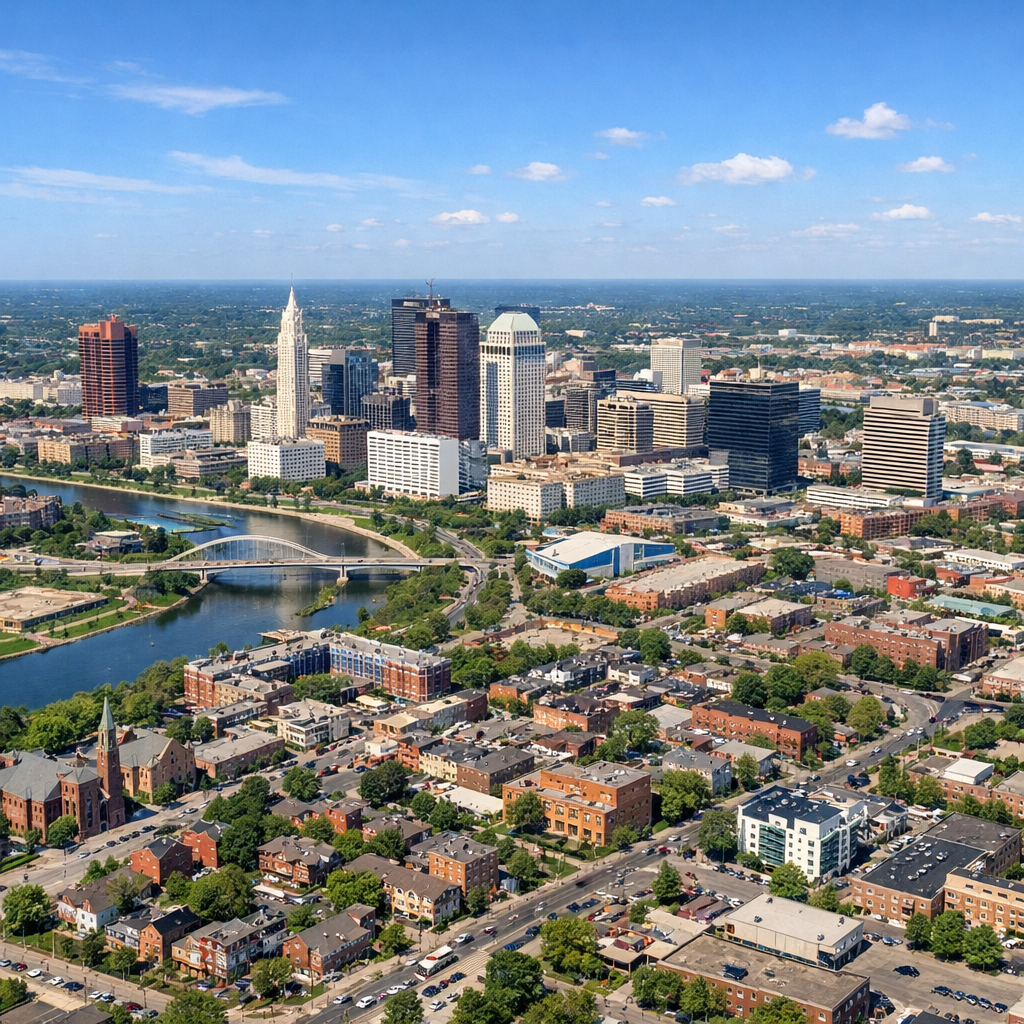
Columbus, Ohio, continues to demonstrate robust economic growth, positioning itself as a leader in the Midwest. Recent U.S. Census data reveals that the Columbus metro area expanded by over 21,000 residents in the past year, reaching a population of 2,242,028 in 2025. This growth rate is double the national average, underscoring the city’s appeal and economic vitality.
Housing Market Dynamics
The housing sector reflects this growth, with home prices rising despite increased inventory. In April 2026, new listings were up by 7.8% year-over-year, and total inventory rose by 13.4%. However, closed sales dropped by 14%, indicating a complex market where demand continues to outpace supply, particularly in suburban areas.
Startup Ecosystem Evolution
Columbus’ startup scene is also evolving. In 2025, there was a shift towards prioritizing quality over quantity in funding. While the total number of deals declined, the average size of fundraising rounds increased, especially benefiting AI ventures. Notable exits through acquisitions and mergers have signaled healthy momentum, reflecting a maturing entrepreneurial ecosystem with an emphasis on higher-value investments and scalable innovation.
Office Space Stability
In contrast to national trends, Columbus’ office space market has remained stable. In early 2026, the city experienced a 1% decrease in office vacancy rates from the previous quarter, one of the largest decreases among major U.S. metro areas. This stability suggests resilience in the local business environment, even as many businesses nationwide reduce their need for office space.
Outdoor Recreation’s Economic Impact
Outdoor recreation has become a significant economic driver for Ohio. In 2024, the sector generated $20 billion, accounting for 2.2% of the state’s GDP. This growth supports over 150,000 jobs and reflects deliberate state investments in parks and recreational infrastructure, contributing to the overall economic health of the region.
Columbus’ economic landscape is marked by dynamic growth and evolving challenges. The city’s ability to adapt to changing market conditions, support entrepreneurial ventures, and invest in infrastructure positions it well for sustained prosperity in the years to come.