

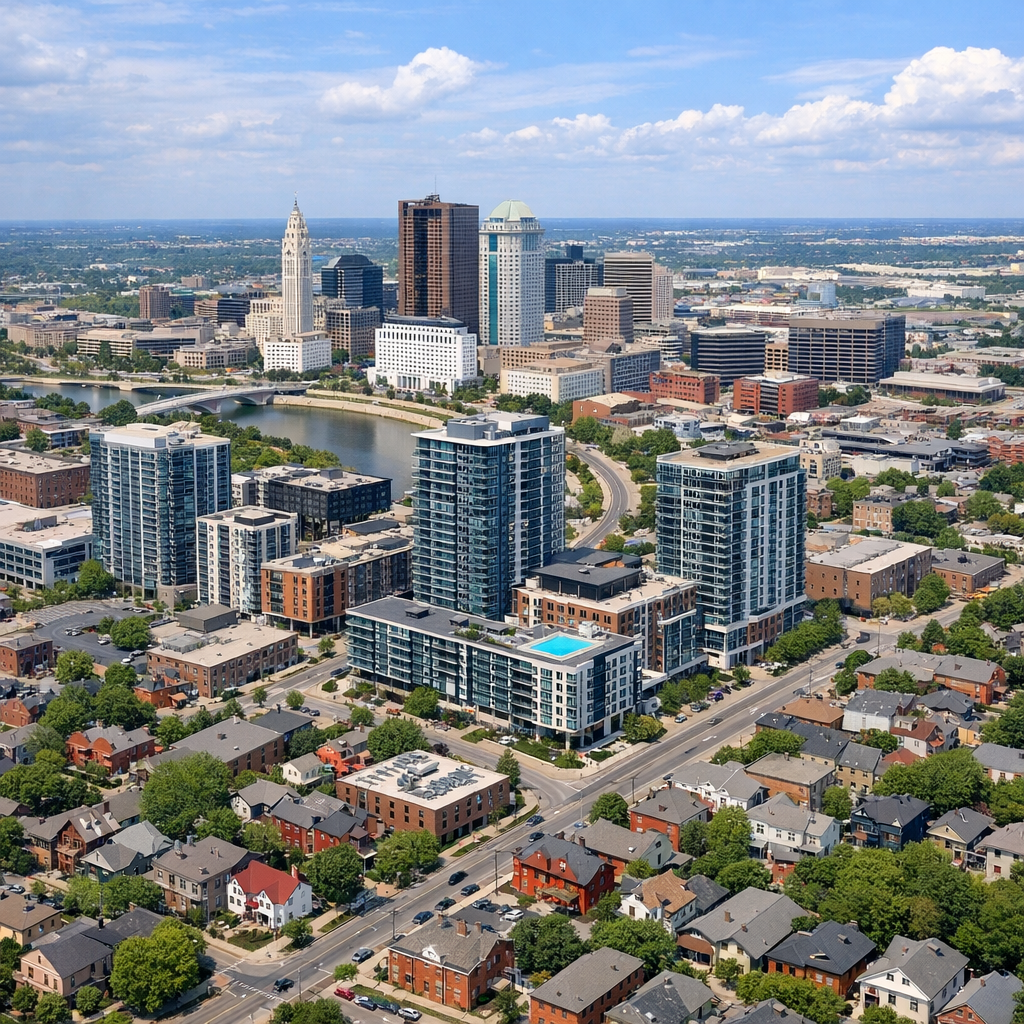
Columbus, Ohio, has experienced significant population and economic growth over the past two decades. While this expansion brings opportunities, it also presents challenges, particularly in housing availability and affordability.
Housing Shortage and Affordability
The city’s rapid growth has outpaced the supply of available housing. Home and rental prices have risen, making homeownership increasingly out of reach for many residents. This situation disproportionately affects historically marginalized communities, exacerbating existing inequalities. Source
Homelessness Concerns
The housing shortage has contributed to a rise in homelessness. In 2025, the Community Shelter Board recorded 2,556 homeless individuals in Columbus, a 26% increase since 2020. This trend reflects a broader national issue, with people of color being disproportionately affected. Source
City Initiatives and Challenges
In response, the city has launched initiatives like the Clean and Safe Corridors Initiative, focusing on improving safety and quality of life in various neighborhoods. However, challenges remain, including a shortage of skilled behavioral health practitioners and psychiatrists, which contributes to the overuse of emergency departments by residents. Source Source
Community Efforts
Nonprofit organizations like Columbus Landmarks are working to preserve historic buildings, recognizing their cultural and architectural significance. Their annual list of “Most Endangered Sites” aims to raise awareness and spur action to save these structures. Source
As Columbus continues to grow, addressing housing challenges through collaborative efforts between the city, community organizations, and residents will be crucial to ensure sustainable and inclusive development.