

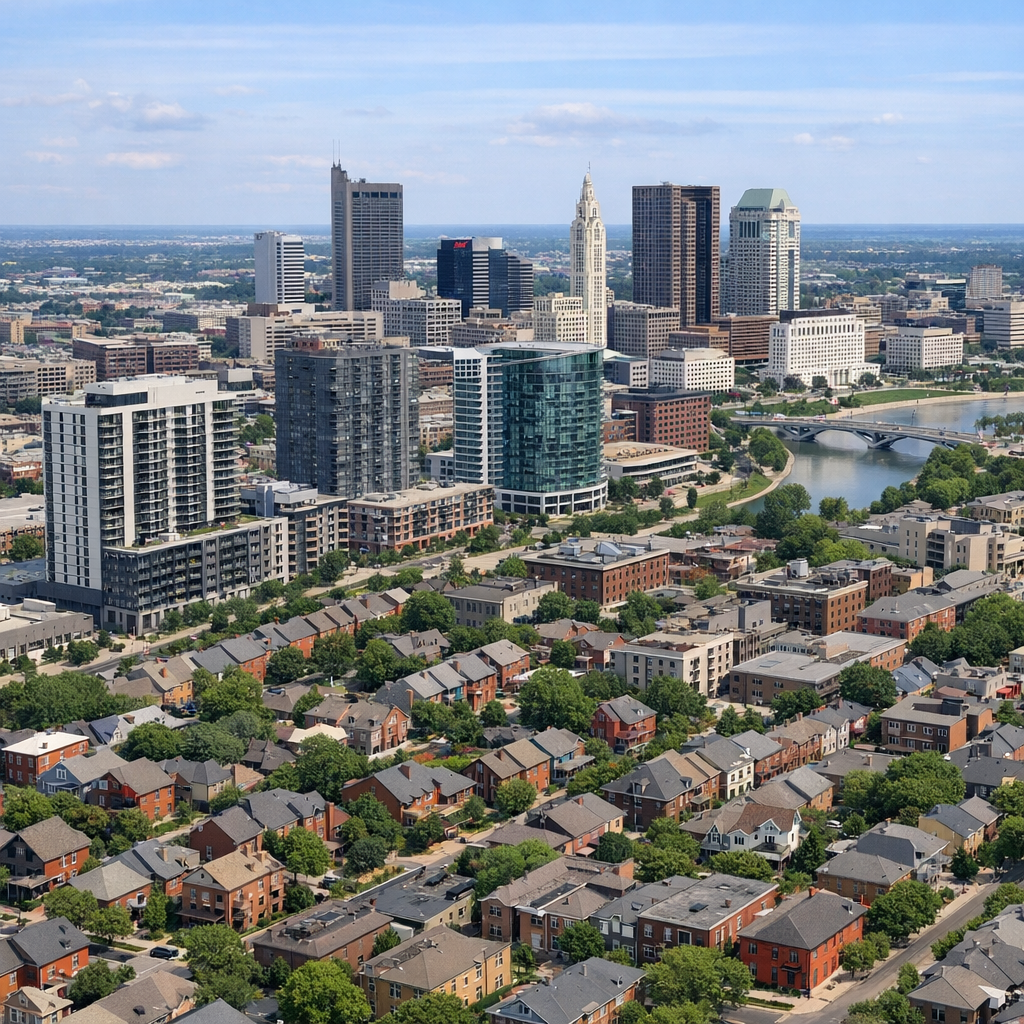
Columbus, Ohio, has experienced significant population and economic growth over the past two decades. While this expansion brings opportunities, it also presents challenges, particularly in housing availability and affordability.
Housing Shortage and Affordability
The city’s growth has outpaced the supply of available housing, leading to increased home and rental prices. This trend has made homeownership and renting increasingly difficult for many residents, especially those from historically marginalized communities. A study by McKinsey & Company highlights that the rapid economic growth in Columbus has created a housing shortage, making housing increasingly out of reach for many people. [Source: McKinsey & Company]
Rising Homelessness
The housing shortage has contributed to a rise in homelessness. The Community Shelter Board reported a 26% increase in the homeless population from 2020 to 2025, with 2,556 individuals recorded in the 2025 count. This increase reflects a broader national trend disproportionately affecting people of color. [Source: Axios]
City Initiatives and Challenges
In response, the city has implemented initiatives like the Clean and Safe Corridors Initiative, focusing on improving safety and quality of life in various neighborhoods. However, challenges remain, including the need for substantial funding to stabilize health and human services. A recent analysis presented to the city’s Funding Review Advisory Committee estimated that $135 million to $162 million annually is required to prevent cuts as demand continues to rise. [Source: Hoodline]
Conclusion
As Columbus continues to grow, addressing housing affordability and availability is crucial. Collaborative efforts between city officials, community organizations, and residents are essential to develop sustainable solutions that ensure all Columbus residents have access to safe and affordable housing.