

Columbus, Ohio, experiences a humid continental climate characterized by four distinct seasons: warm, humid summers; cold, snowy winters; and transitional periods in spring and fall. Understanding these patterns can help residents and visitors prepare for the varying weather conditions throughout the year.
Seasonal Overview
Spring (March – May)
Spring in Columbus is marked by rapidly changing weather. Temperatures can fluctuate dramatically, with warm afternoons followed by chilly mornings. This season also brings increased rainfall, often leading to sudden thunderstorms. May typically records the most rainy days, characterized by steady drizzles punctuated by severe storms.
Summer (June – August)
Summers are warm and humid, with average high temperatures ranging from 79.9°F (26.6°C) in June to 83.1°F (28.4°C) in July. The city enjoys ample sunshine, making it ideal for outdoor activities. However, the humidity can make it feel warmer, and occasional thunderstorms are common.
Fall (September – November)
Autumn brings mild temperatures and lower humidity, providing a comfortable climate. The season is known for its stunning fall foliage, making it a favorite time for outdoor events and activities. Temperatures gradually decrease, preparing the city for the colder months ahead.
Winter (December – February)
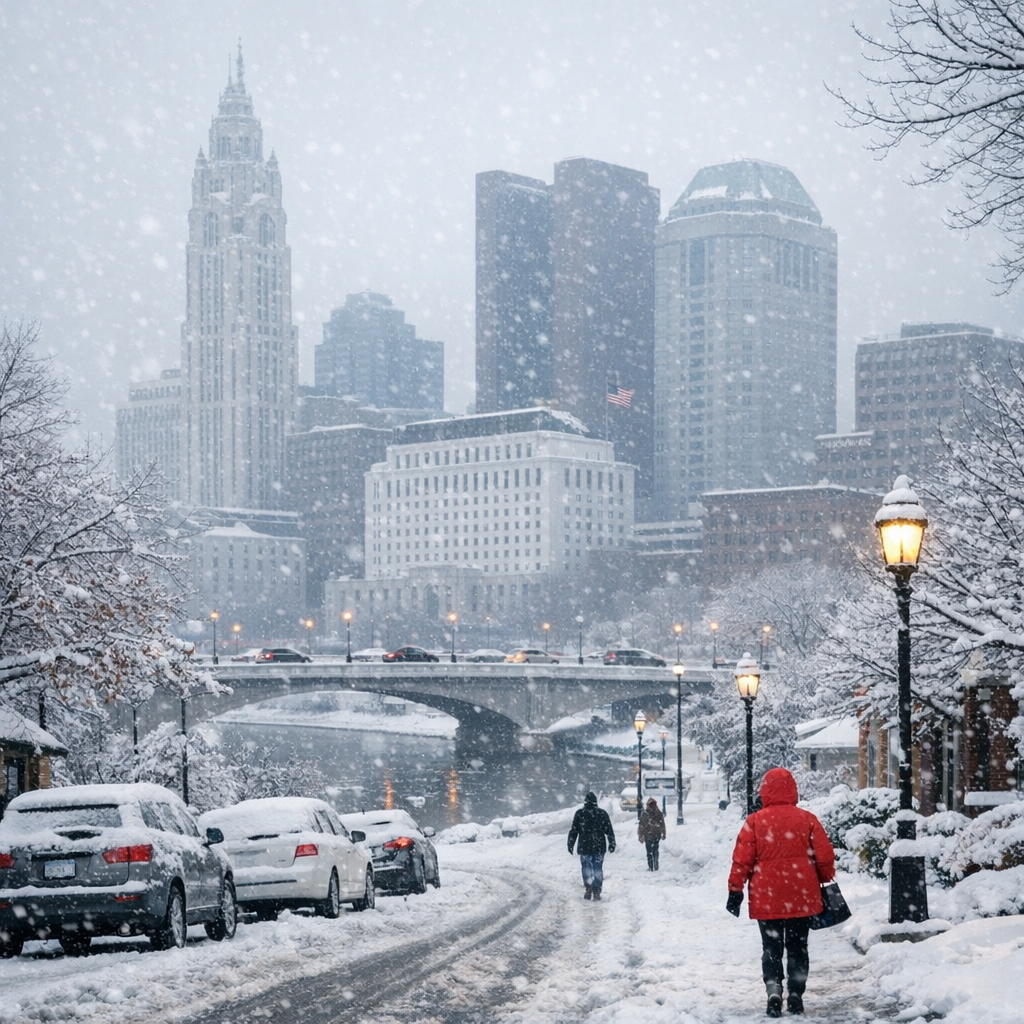
Winters are cold and often snowy, with average temperatures around 28°F (-2°C) in January. Snowfall is common, averaging 22 inches annually. While the city experiences fewer sunny days during this period, winter sports enthusiasts can enjoy activities like ice skating and sledding.
Impact of Climate Change
Recent studies indicate that climate change is affecting Columbus’s weather patterns. The city has experienced record-breaking heat waves, increased rainfall intensity, and longer allergy and mosquito seasons. These changes pose challenges to infrastructure and public health, prompting local leaders to implement proactive measures.
Understanding Columbus’s climate and its evolving patterns is essential for residents and visitors to adapt and prepare for the changing environment.