
In recent times, the United States has faced a series of economic challenges that have significantly influenced the political landscape. Rising inflation, fluctuating gas prices, and shifts in consumer confidence have become central issues affecting both policymakers and citizens.
Economic Indicators and Public Sentiment
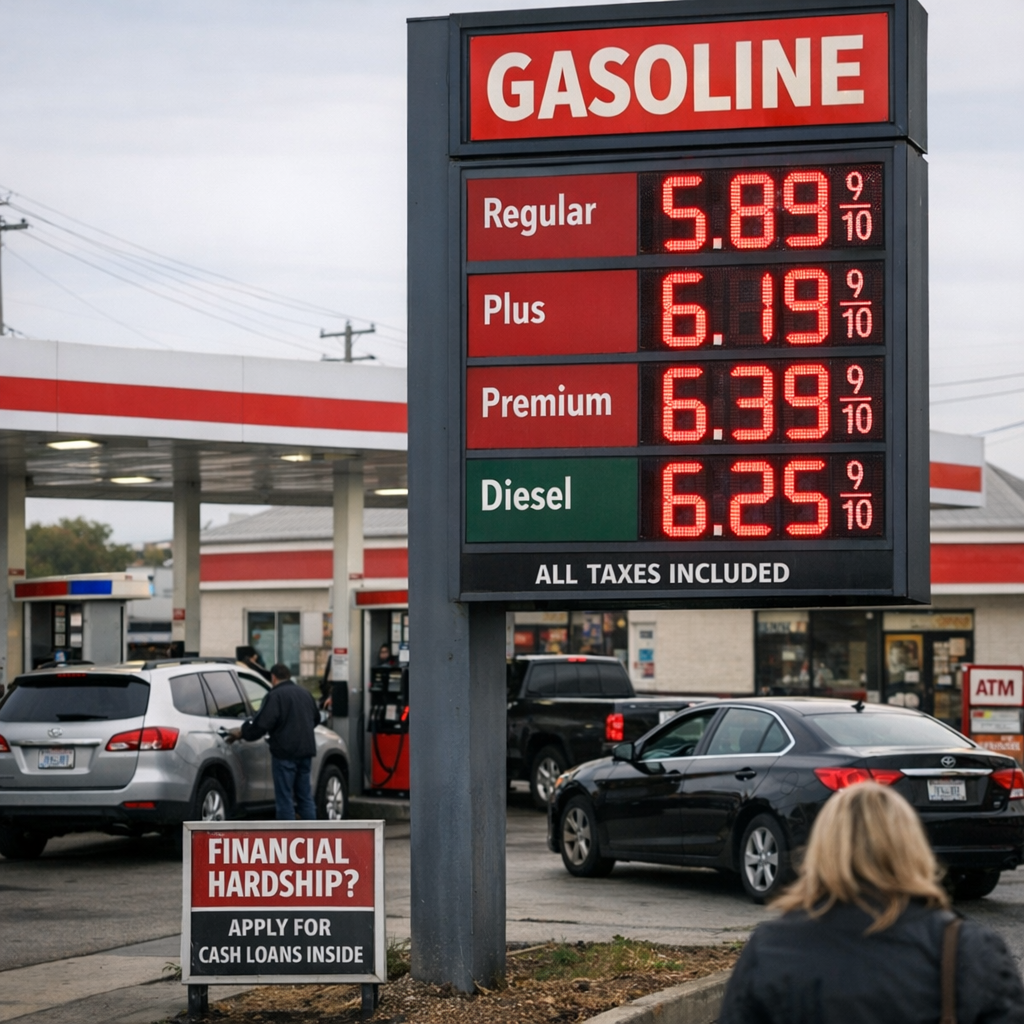
Inflation rates have seen an uptick, with April’s figures reaching 3.8%, largely attributed to ongoing international conflicts impacting global oil supplies. This surge has pushed gas prices above $4.50 per gallon, placing additional strain on household budgets. Concurrently, wage growth has not kept pace with inflation, leading to a decrease in real purchasing power for many Americans. This economic strain has resulted in a decline in consumer sentiment, with a CNN poll indicating that 70% of Americans disapprove of the current administration’s handling of the economy.
Political Implications
The economic downturn has had notable political repercussions. The National Republican Congressional Committee (NRCC) recently reported a record-breaking $36.8 million in fundraising, signaling a concerted effort to bolster resources ahead of the upcoming midterm elections. This fundraising success underscores the heightened political engagement and the stakes involved as parties prepare to address the nation’s economic concerns.
Looking Ahead
As the nation navigates these economic challenges, the interplay between economic policy and political strategy remains crucial. Policymakers are tasked with implementing measures to stabilize the economy, while political parties are keenly aware of how economic performance influences voter sentiment. The coming months will be pivotal in determining the trajectory of both the economy and the political landscape.